Conflict Resolution
Healthy Disagreement at Work: Conflict as a Leadership Skill
Tom Williams, Stoll Keenon Ogden
Don Woolridge, Leadership Louisville Institute
Cory Lockhart, Hart Communications, Inc.
Vivian Blade, C-Suite Advisor
Conflict is inevitable. Dysfunction is optional. The strongest leaders address disagreement before tension becomes damage.
This practical session explores how leaders can navigate disagreement early, give difficult feedback, de-escalate conflict and repair trust so that hard conversations strengthen relationships rather than weaken them.
Environment
The Land We Share: Finding Common Ground in KY's Landscapes
Ian Teal, Red River Gorge
SaraDay Evans, Accelerating Appalachia
Ted Smith, Ph.D., Christina Lee Brown Envirome Institute, UofL
This conversation examines the role of Kentucky’s shared natural assets in economic strategy and asks a practical business question: how does caring for the landscape create stronger companies and healthier communities?
LEADERSHIP
Trust is Good Business
Vitale Buford Hardin, Vitale & Company
Cynthia Knapek, Leadership Louisville Institute
Rocki Rockingham, GE Appliances
Trust is one of the most valuable assets an organization can build and one of the easiest to lose. Inside a workplace, it affects whether people share information, raise problems early, collaborate across departments and follow through on commitments.
This practical leadership-development session focuses on the everyday behaviors that build credibility within teams and across an organization, as well as what leaders can do when trust has been strained or broken.
NONPROFIT PARTNERSHIPS
Mission Marketplace
Josh Williams, Metro United Way
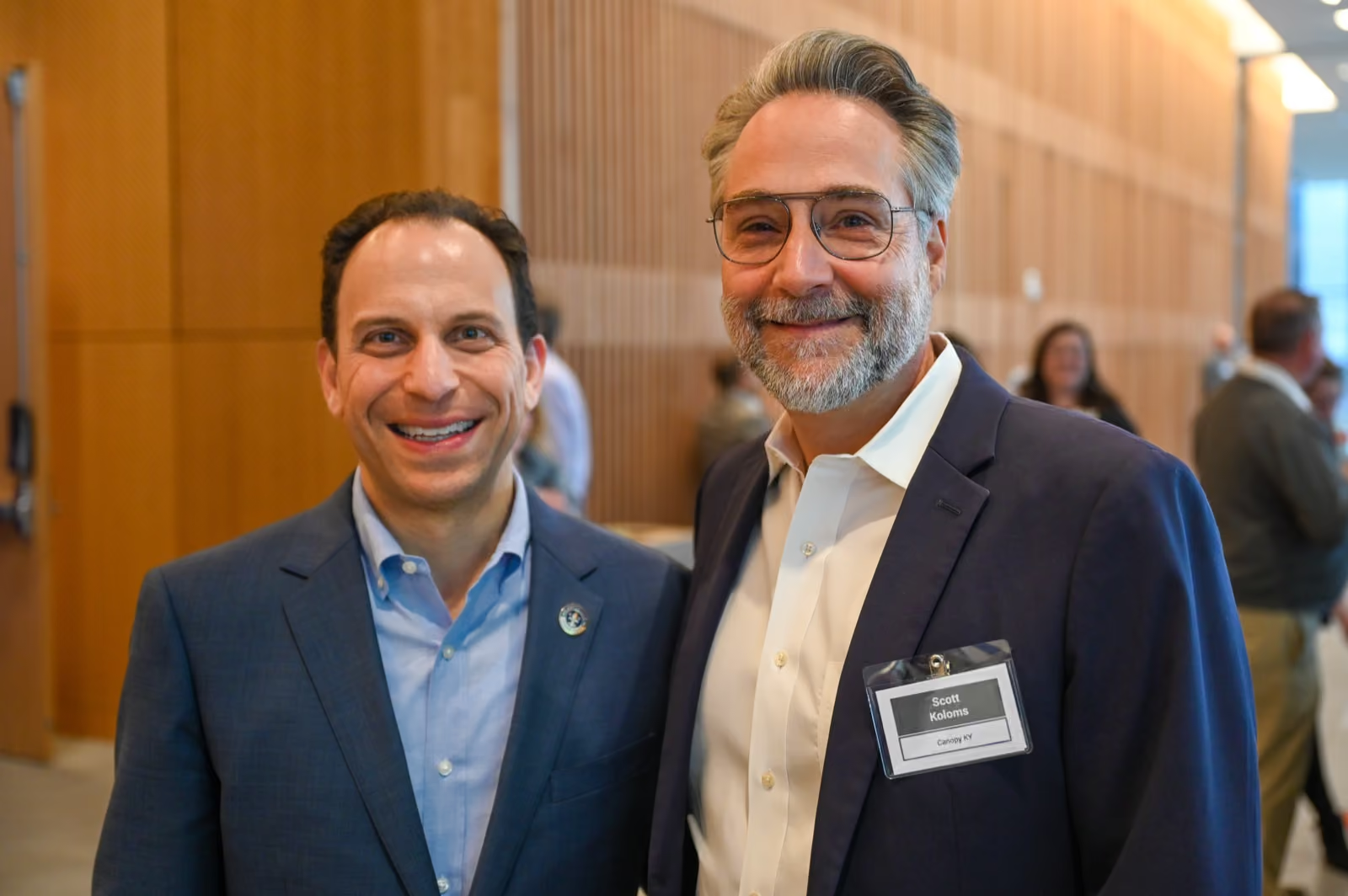
Scott Koloms, Canopy KY & FMS, pbc
Rhona Kamar, Feed Louisville
Kevin Smith, Community Ventures
Greg Baker, AffirmedRx
What if everyday business purchasing could become a tool for community impact?
Building from the work being developed by Canopy and Metro United Way, the session brings together the initiative’s system perspective, a nonprofit operator, an experienced social-enterprise and community-development leader, and a business buyer to pressure-test what would make the model useful, reliable and scalable across Kentucky.
Students
Business Beyond Profit Student Showcase: The NextGen Defines Good Business
Adam Watson, Canopy KY
Students from Eastern High School, Southern High School and Shawnee Academy
Kentucky's future workforce is already developing ideas about leadership, purpose and the role business should play in strengthening communities.
Canopy will open with a concise introduction to the Business Beyond Profit Unit and what the program is designed to achieve. Students will then share their experience with the curriculum, the kinds of workplaces they hope to join, and what they believe good business should look like in practice.
Internships
What Interns Want: Creating Value for Kentucky's Workforce Pipeline
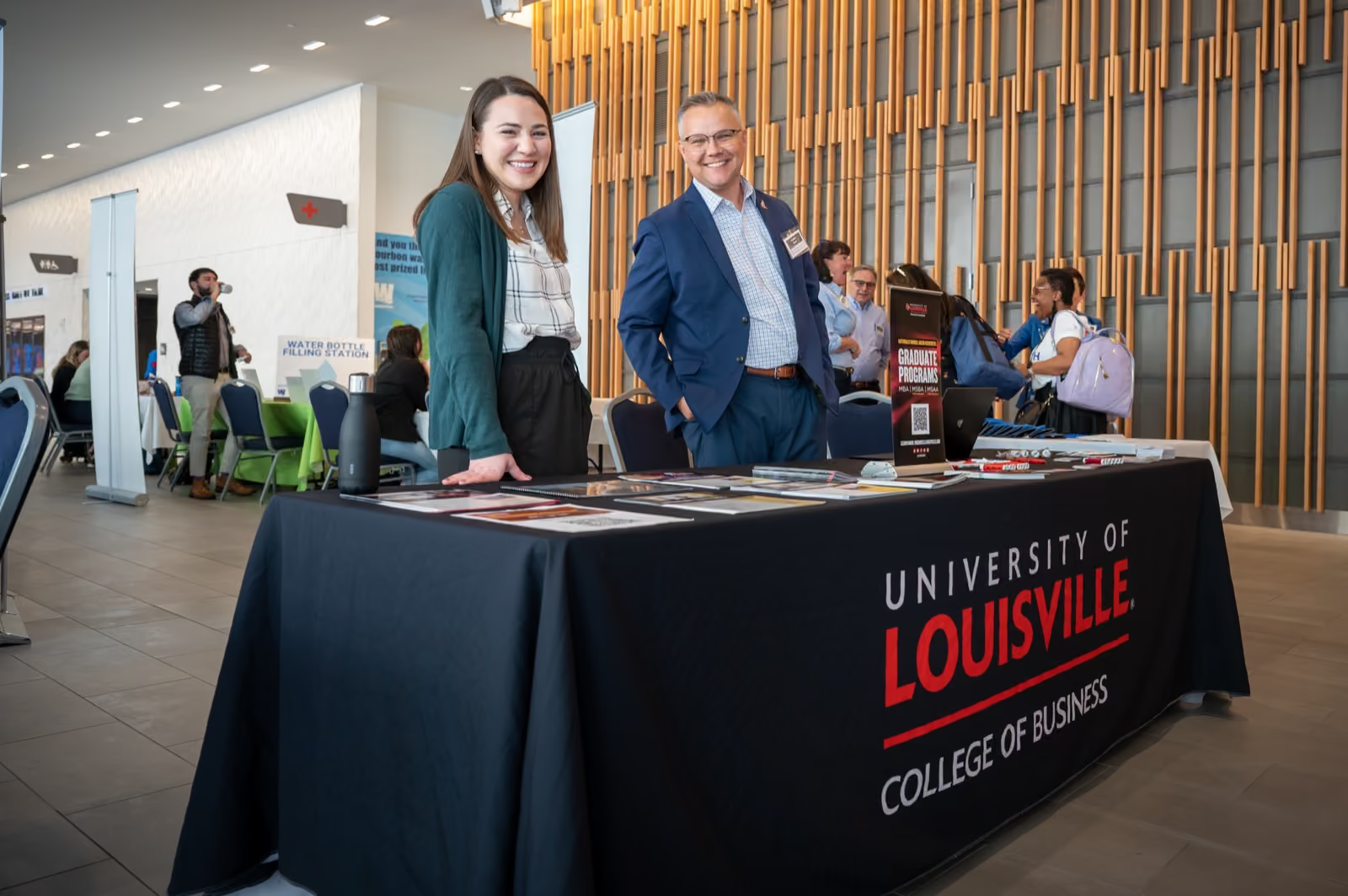
Stephanie Geddes, University of Louisville College of Business
Rian Fann, OneLouisville / UofL MBA Intern
Anastasia Jaddock, GE Appliances / UofL BSBA Intern
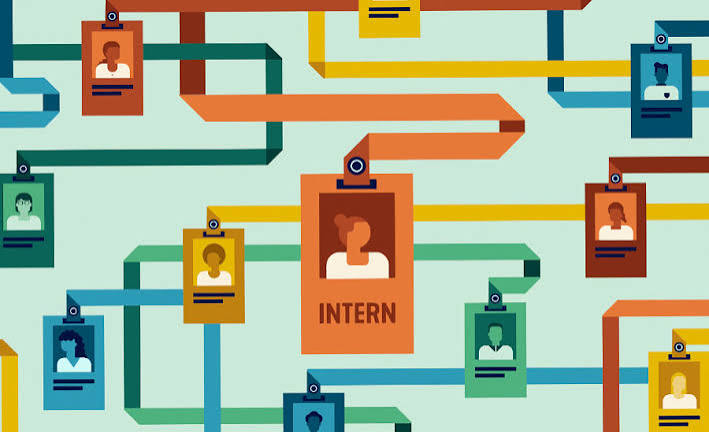
This candid conversation brings both sides together. Current or recent interns and the people who design internship programs will compare what they need, where expectations break down and how a well-designed experience can help emerging talent see a future in Kentucky.
Tech
KY by Choice: Tech Beyond the Usual Hubs
Jeremy Jacobs, UnDesked
Kevin Gibson, Entrepreneur & Economic Development Advocate
Howard Carolan, Toothsure
This session will feature technology leaders based outside Louisville and Lexington. Panelists will discuss what building from Kentucky makes possible, which barriers it creates and how regional identity can become an advantage rather than a limitation.
AI
The AI Decision Room
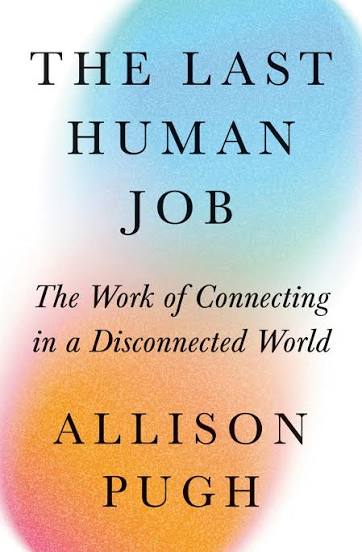
Allison Pugh, Johns Hopkins University
Sarah Bhatia, Slingshot
Pamela McKnight, Louisville Metro Government
Holly Hartman, Future Workforce Systems
This session is the practical counterpart to Allison Pugh's main-stage conversation about human connection. Pugh asks what organizations must protect as work changes.
The AI Decision Room asks the follow-up: when leaders face an actual AI decision, what should they automate, what should they augment and what should remain meaningfully human?